

1967’Carrying a production tradition that goes back to 1967, we combine it with CNC and lathe technology. Every stage of brass and steel hookah manufacturing takes shape in our own workshop, in skilled hands. Below you can follow the production step by step, with photos and videos.
The Master's Hand in Brass
Turning, drilling, fettling, polishing and assembly
Brass Hookah Production
Footage of turning, drilling, surface preparation and handcraft. Brass parts reach their final look in skilled hands.
Explore brass coffeehouse sets →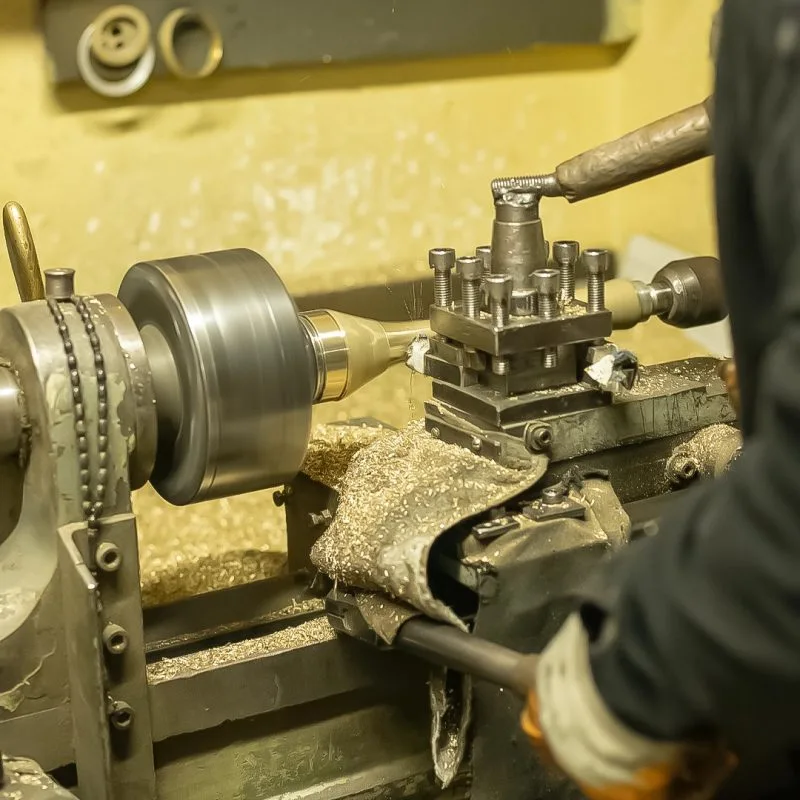
Brass gets its character on the lathe
Brass parts are brought to the form the design requires on the lathe. The steps, knuckles and seating surfaces on the body emerge at this stage.
Brass is machined differently from steel. Brass worked with the right tool and feed rate gives a part that is ready for the later surface treatments.
- Brass on the lathe
- Coffeehouse-style body forms
- A surface suited to engraved designs
- Controlled cutting and a smooth surface
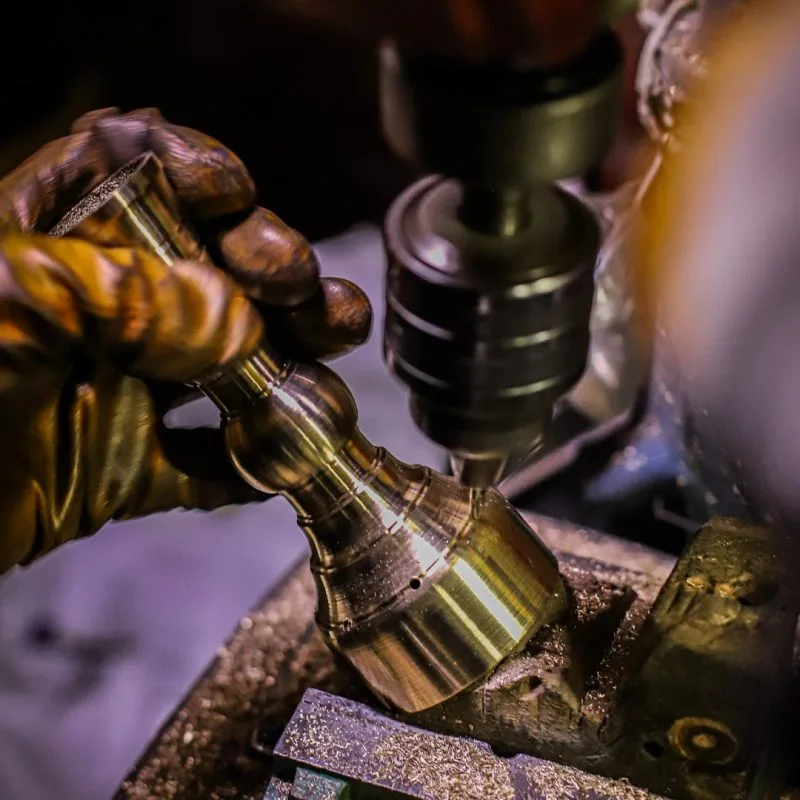
Holes opened in the right place, at the right diameter
The hose connection, the drain section and other transition points on the body are prepared precisely. The placement and diameter of the holes are important so that parts can be assembled correctly.
The aim here is to open the required channels without harming the design of the body and to leave the connection surfaces smooth.
- What we check
- Hole placement and diameter
- Smoothness of the connection surface
- Openness of the air channel
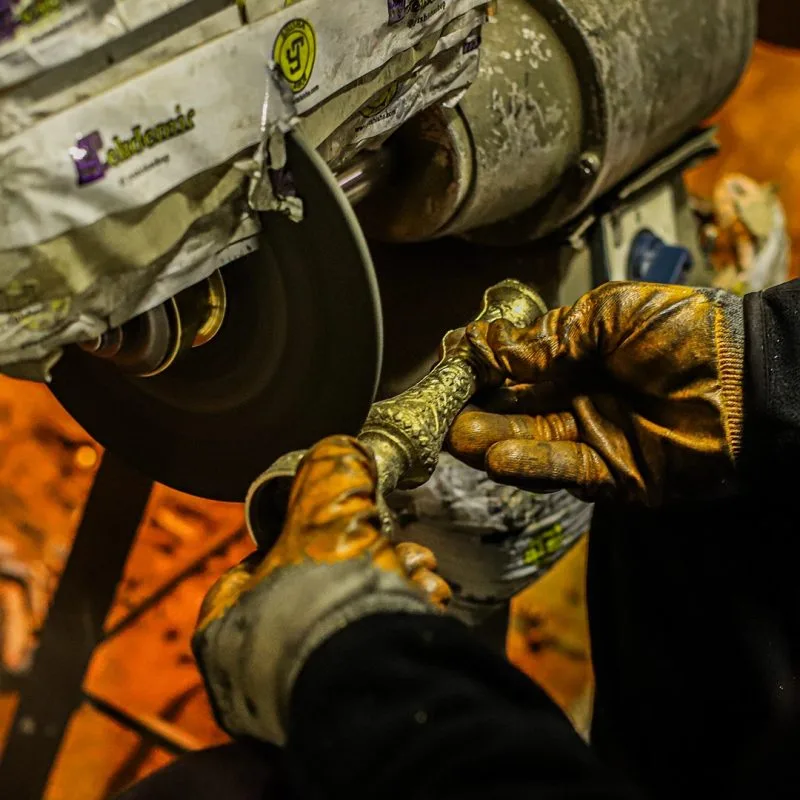
The part from the machine takes shape in the master's hands
Parts that have finished machining do not go straight to assembly. Machining marks are removed, edges are smoothed and the surface is brought to suit the model. Our masters carry this out according to each part's structure.
Preserving the patterns and preparing the metal surface in balance take experience, especially on engraved brass bodies.
- After fettling
- No sharp edges remain
- Machining marks are removed
- Patterns and details are preserved
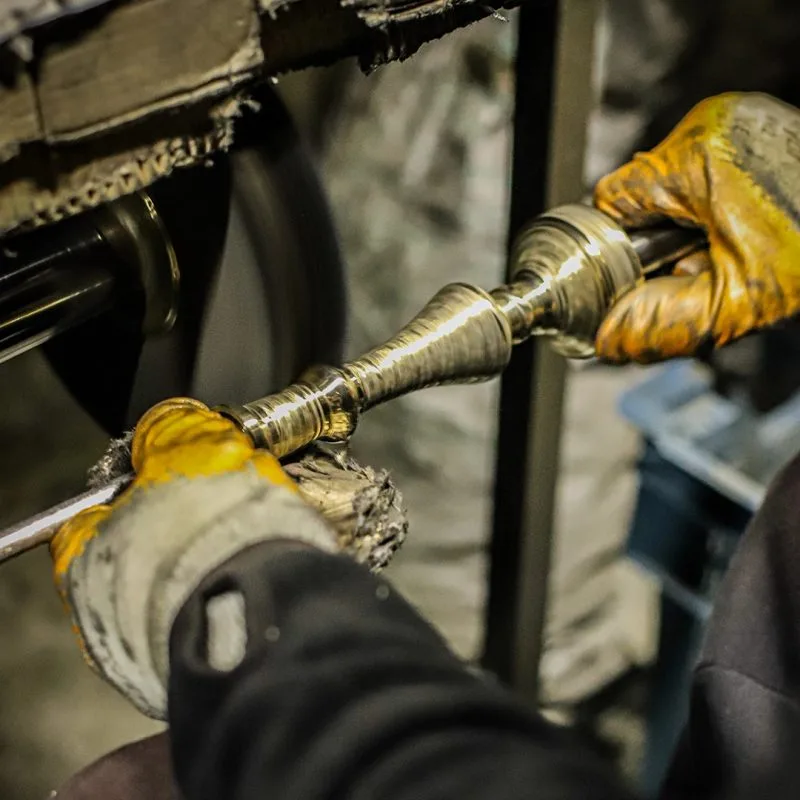
The stage that defines the final look
The surface appearance is one of the first things a user notices about a hookah. Polishing is not merely decorative; it completes the final look of production.
On traditional brass models, the metal's distinctive colour and the engraved details are brought forward. During polishing, care is taken to preserve the form of the part and the details on it.
- The goal of polishing
- A lively brass colour
- Clearly visible engraved details
- A smooth, even surface
This is where the smoke's path is built
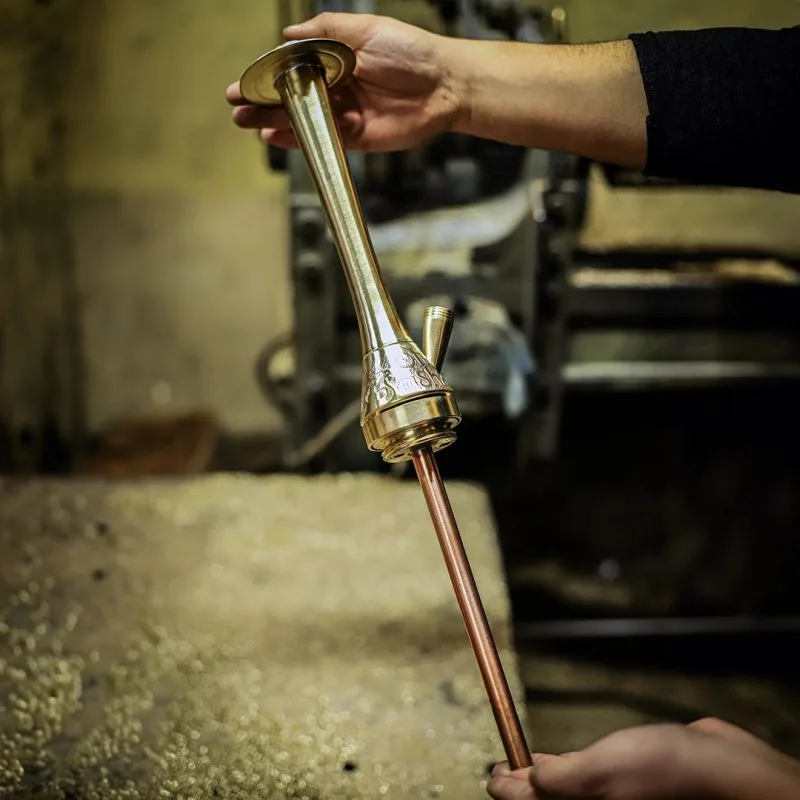
The inner structure where smoke travels toward the vase and hose matters for performance. The prepared inner pipe, body and connection components are brought together according to the model's structure.
In the photo you can see the assembly stage, where the copper inner pipe is checked together with the brass body.
- Checked during assembly
- Correct positioning of the inner pipe
- Length suited to the water level in the vase
- Fit with the connections
The parts come together as a single set
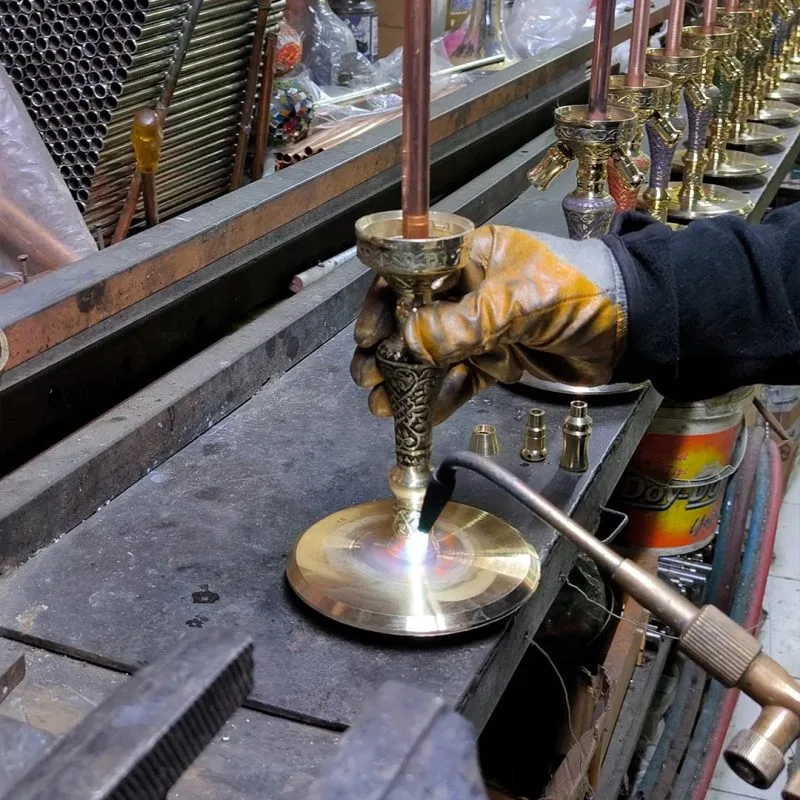
The tray is not just an accessory that holds the ash. It completes the visual unity of the set. It must sit steadily on the body and match the overall dimensions.
Once the body, tray and inner pipe are brought together, the final inspection is carried out. Part fit, airtightness, air channel, surface appearance and balance are each reviewed.
- Final inspection checklist
- Fit between body parts
- Vase connection seating properly
- Tray sitting steadily
- Can be assembled and disassembled
- The overall stance of the model
Workshop and CNC Machining
From planning the model to precision metalworking
Every hookah starts with a planned model
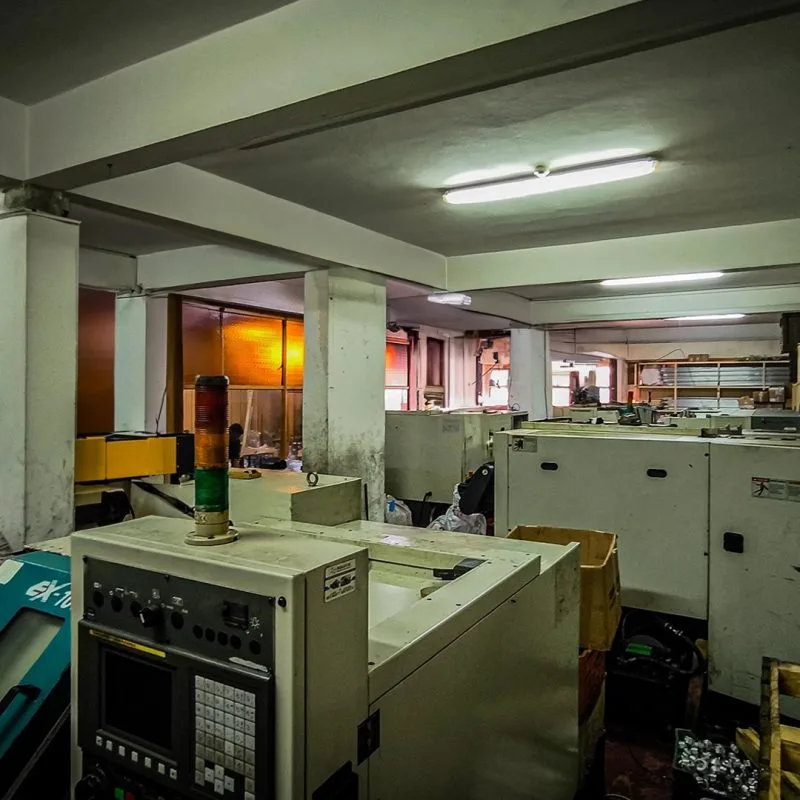
Production begins by defining the structure of the model to be made. A classic coffeehouse hookah, a modern steel hookah and a set with a different design are not prepared with the same methods. Dimensions, body form, material, vase connection and inner pipe structure are evaluated together at the design stage.
In our workshop, CNC and lathe machines work side by side. Sturdiness and easy cleaning matter most for cafés and professional venues, while design and size stand out for personal use.
- At the planning stage
- Body form and dimensions
- Vase and inner pipe compatibility
- Intended use: home or professional
- Manufacturability and ease of maintenance
Precision starts at the machine's control panel
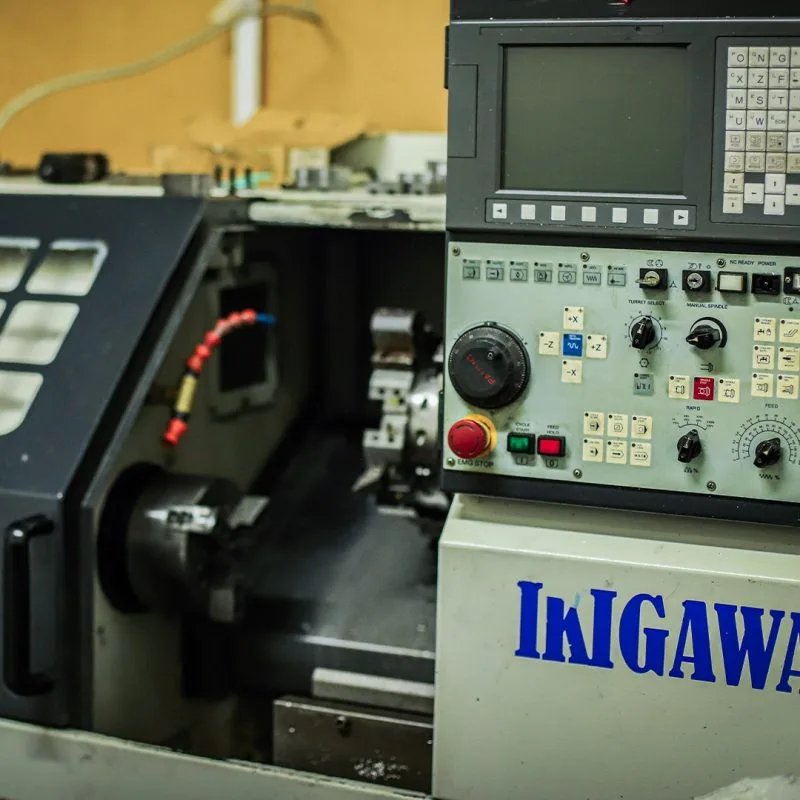
Brass and steel are prepared for production according to the model's dimensions. Parts are programmed from the control panels of the CNC lathes. Computer-controlled production helps keep the dimensions of parts made for the same model consistent.
Preparing the material correctly keeps the following lathe and CNC operations under control.
- At this stage
- Diameter and connection surface dimensions
- Channel and geometry details
- Repeatable dimensions across the same model
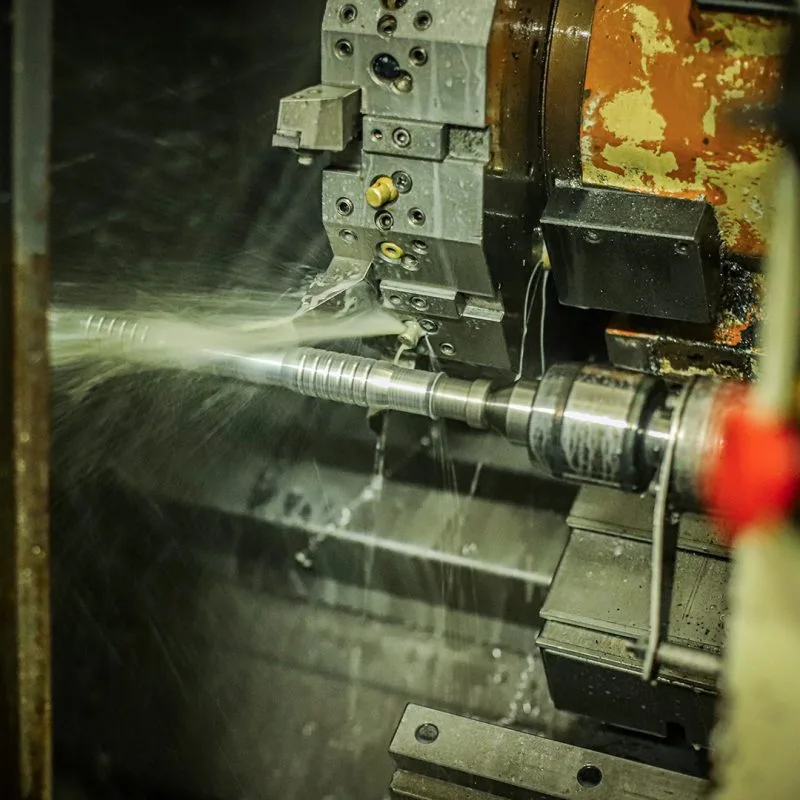
Metal taking shape under coolant
Turning is the core method that gives the hookah body its form. While the metal part rotates on its axis, the cutting tool creates the desired shape. In the photo you can see the part being machined cleanly and under control with coolant.
Brass and steel have different machining characteristics. The cutting tool, feed rate and surface treatment are determined by the material and the design.
- Created at the lathe stage
- The outer form of the body
- Surfaces where parts will connect
- Sections that match the inner components
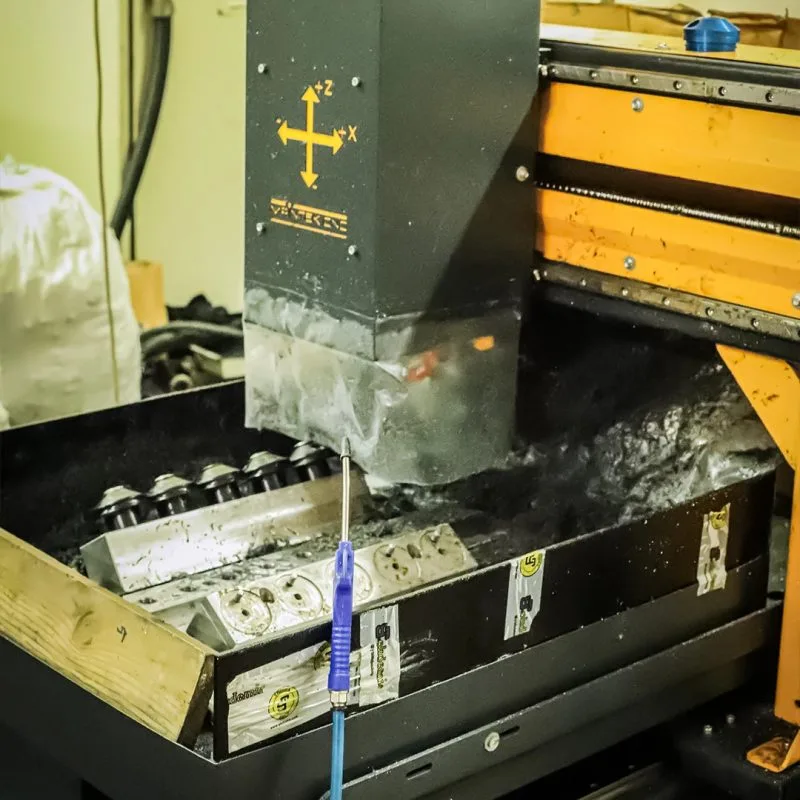
Machining body and connection components
In modern hookah production, CNC machines play an important role, especially for parts that require dimensional precision. Body components and various metal sections are machined to dimensions that match the design.
Even a difference of a few millimetres can matter during assembly. That is why dimensional checks continue throughout the process.
- Achieved with CNC
- Channels and geometric details
- Precise connection surfaces
- Dimensional consistency in body components
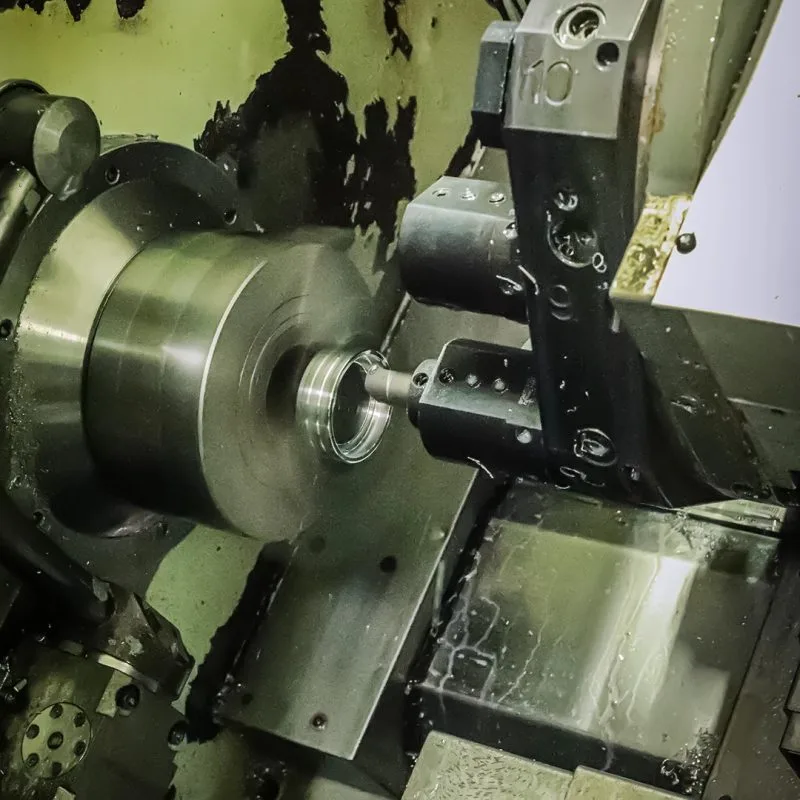
Connection surfaces that fit together perfectly
The transitions between the body, tray, vase and hose are made with connection parts. Each connection surface prepared on the lathe is machined to match the part it will meet.
Airtightness and the ability to take parts apart and put them back together depend on the precision of these surfaces.
- What we pay attention to
- Airtightness
- Easy disassembly and assembly
- Compatibility between body and vase
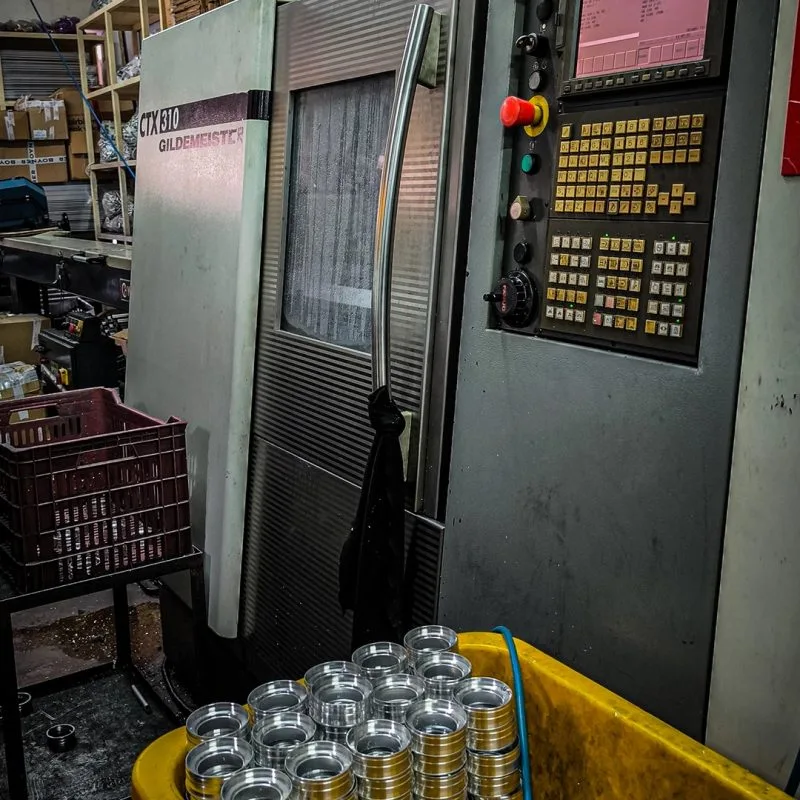
Metal components prepared for assembly
Connection parts coming out of CNC machining are counted, checked and prepared for assembly. In the photo you can see brass parts piling up at the machine's output.
These parts then move on to fettling and polishing. Machine precision and the human eye's inspection come together at this point.
- Next steps
- Fettling and surface finishing
- Polishing
- Moving on to assembly
Steel Hookah Production
Watch the metalworking carried out on CNC and lathe machines. Steel parts are prepared according to the model's technical dimensions.
Explore steel hookah sets →Brass or Steel?
Both materials are produced in our workshop. Their machining methods and design character differ.
Brass Hookah Production
Brass, closely tied to traditional hookah culture, creates a distinctive look with engraved bodies and coffeehouse-style designs.
- Suited to classic and engraved designs
- Offers a solid, distinctive metal look
- Allows models where master handcraft is visible
- Needs regular care to keep its surface appearance
Steel Hookah Production
For those seeking a modern, clean design, steel stands out for its dimensional precision and surface smoothness.
- Suited to modern, clean designs
- Machined to precise dimensions with CNC and lathe
- Can be used in modular designs
- Can be paired with different vases and accessories
What Matters in Good Hookah Manufacturing?
A set's quality is not measured by its outward appearance alone. During production, these details are evaluated together.
Airflow
The inner pipe, body channels and hose connection are considered together; the airflow is never narrowed.
Airtightness
Body, vase and hose connections must fit well; air leaks reduce performance.
Part compatibility
Body, tray, inner pipe, gasket and vase fit each other with precise dimensions.
Surface quality
No sharp edges or uneven machining marks are left; the surface is prepared for both appearance and use.
Balance
Body weight, vase structure and height are considered together so that the set stands steadily.
Cleanability
Parts must be accessible for maintenance; the design considers not only use but also cleaning.
For Cafés and Businesses
For sets that are assembled and cleaned often during the day, ease of maintenance, part compatibility and durability come to the fore. Spare vases, gaskets and part standardisation across similar models also matter. For bulk purchase options for cafés, shops and commercial businesses, you can learn more on our wholesale application page öğrenebilirsiniz.
Frequently Asked Questions About Hookah Production
How is a hookah made?
It consists of model design, material selection, CNC and lathe operations, drilling, surface finishing, polishing, assembly and final inspection. The operations applied may vary by material and design.
Which materials does YT Shisha make hookahs from?
Production of brass and steel hookah models is carried out in our workshop. Materials and part structure may vary by model.
Should I choose a brass or a steel hookah?
Those who want a classic, engraved look can consider brass; those who want a modern, clean design can consider steel. The choice should be based on intended use, maintenance expectations and personal taste.
Is CNC used in hookah production?
Yes. CNC and lathe machines are used to shape body and connection parts to precise dimensions.
How important is handcraft?
Fettling, surface finishing, polishing, assembly and final inspection after machining require mastery. Handcraft defines the character of classic and engraved models in particular.
How can you tell a quality hookah?
Material quality, body and vase fit, airtightness, air channel, surface craftsmanship, connection points and availability of spare parts should be evaluated together.
Can cafés buy hookahs in bulk?
Yes. Cafés, shops and commercial businesses can get in touch through our wholesale application page.
Are spare hookah parts available?
Vases, trays, hoses, bowls, gaskets and complementary products are available. When choosing parts, check that they fit the model you use.
Discover the YT Shisha Production Experience
Explore brass and steel hookah models suited to your use. For bulk and commercial requests, get information from our team.