

An easy-to-clean hookah set shortens maintenance after each session while reducing the likelihood of the previous flavor carrying over to a new blend. A cleaning-friendly design is about more than hygiene; regularly removing deposits, moisture and odors from the body helps protect the set's parts and support its service life. Part accessibility and internal surface shape therefore matter as much as material when choosing.
-
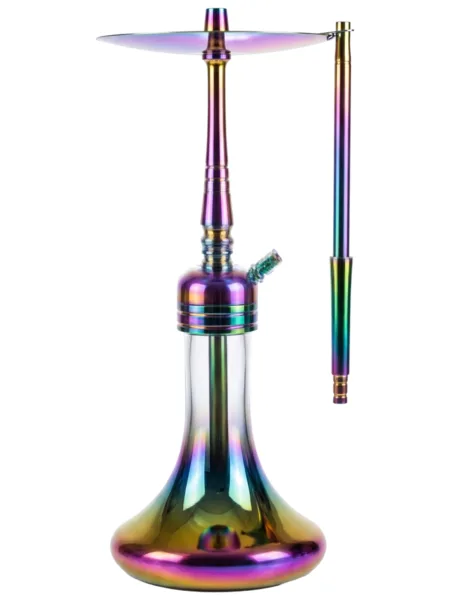
Free ShippingYT Colour Off Hookah Set✨ New product🎁 Free YT Flow bowl 25% off in cart6,500.00₺ VAT3 installments · 2,166.67₺
-
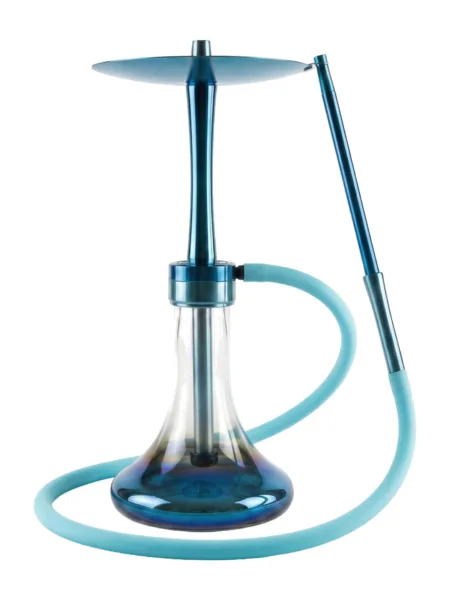
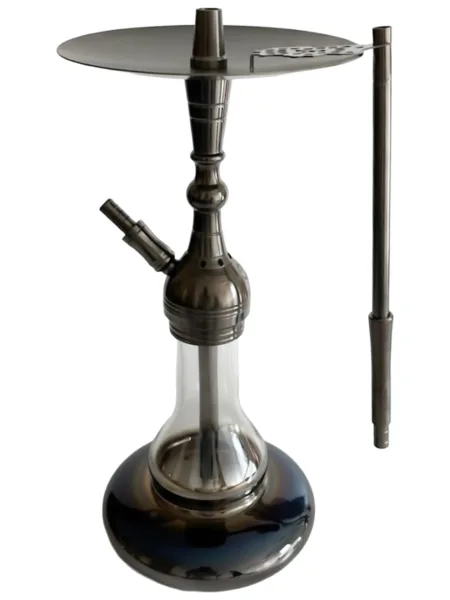
Free ShippingYT Honey Titanium Blue Set✨ New product🎁 Free YT Flow bowl 25% off in cart5,950.00₺ VAT3 installments · 1,983.33₺
-
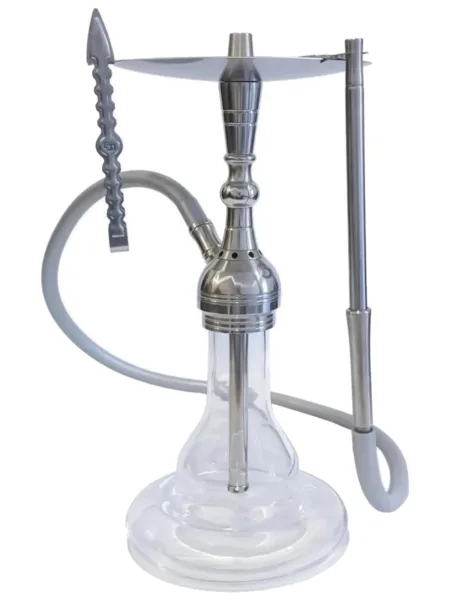
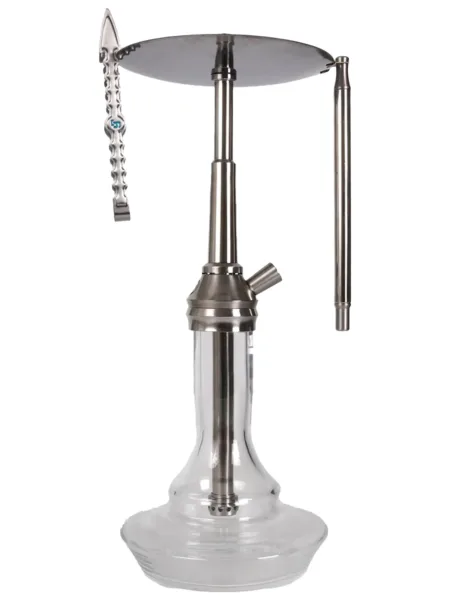
Free ShippingYT Sp Tool Set✨ New product🎁 Free YT Flow bowl 25% off in cart4,900.00₺ VAT3 installments · 1,633.33₺
-
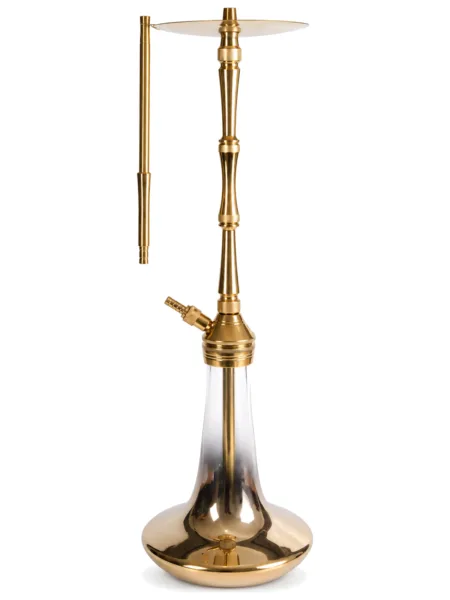
Free ShippingYT Empire Gold Set✨ New product🎁 Free YT Flow bowl 25% off in cart7,450.00₺ VAT3 installments · 2,483.33₺
-
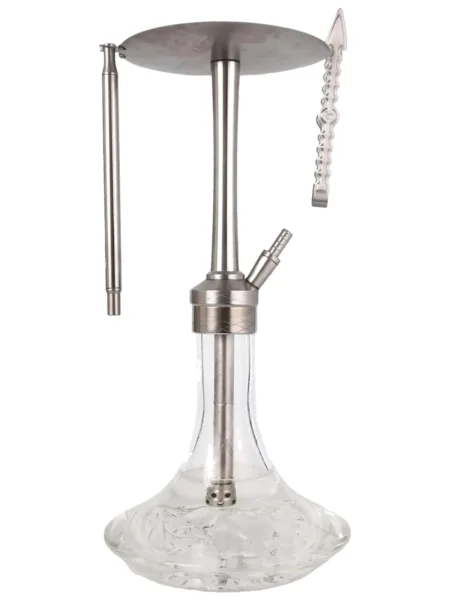
Free ShippingYt Empire Set✨ New product🎁 Free YT Flow bowl 25% off in cart6,300.00₺ VAT3 installments · 2,100.00₺
-
Free ShippingYT Sp Black Titanium Set✨ New product🎁 Free YT Flow bowl 25% off in cart7,100.00₺ VAT3 installments · 2,366.67₺
-
Free ShippingYT Bullet Hookah Set✨ New product🎁 Free YT Flow bowl 25% off in cart5,350.00₺ VAT3 installments · 1,783.33₺
-
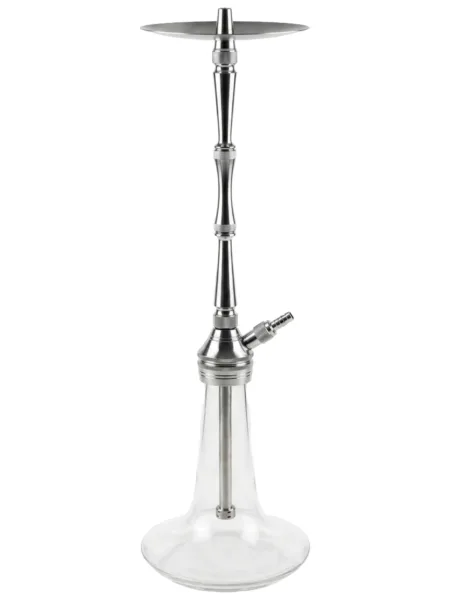
Free ShippingYT Everest Steel Hookah Set✨ New product🎁 Free YT Flow bowl 25% off in cart5,800.00₺ VAT3 installments · 1,933.33₺
-
Free ShippingYT Everest Bluemint Steel Hookah Set✨ New product🎁 Free YT Flow bowl 25% off in cart7,450.00₺ VAT3 installments · 2,483.33₺
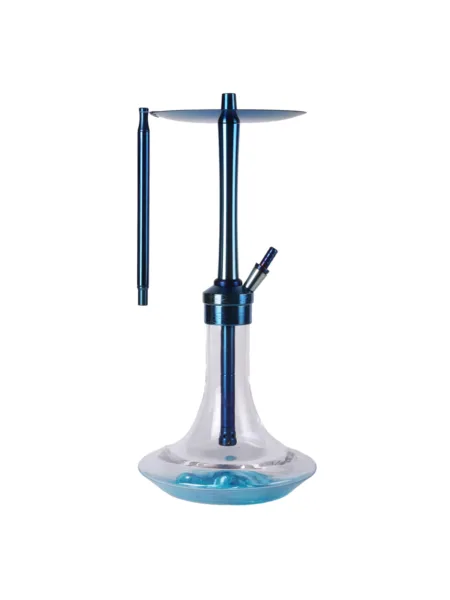
The Effect of an Easy-to-Clean Hookah Set on Taste and Service Life
Molasses and odors remaining in the base, downstem or body's airflow channel can alter the next session's flavor. Detachable parts make brush access easier, while stainless steel surfaces offer advantages against corrosion with regular maintenance. Rinsing each part separately helps dry connections without leaving moisture behind. Those particularly concerned about flavor carryover in the guide to hookah sets that do not retain flavor can also assess the material and maintenance criteria.
To view different body structures together, the full hookah sets category, and to compare durable options with simple surfaces, the steel hookah sets collection are available to browse.
Surfaces contacted by aromatic residue
The body channel, downstem, base and hose adapter that contact smoke form the core maintenance areas. The bowl and any heat-management component may be made from different materials, so the same cleaning method should not be applied to the whole set. Rinsing reduces water-soluble residue, while deposits lodged in narrow corners may require suitable brushing. Strongly scented detergent may leave a new odor layer instead of removing residue.
Tasting the previous flavor does not always result from the body's material. An unwashed hose, porous bowl, water left in the base for a long time or an uncleaned gasket can also carry taste. When choosing an easy-to-clean set, assess every part that contacts smoke, not just the main body. If a part's washability is unspecified, do not assume it is water-resistant.
How regular care contributes to part life
Design Details That Make Cleaning Difficult
A narrow base opening limits the movement of a brush reaching inside. A long, nondetachable body, blind spots and sharp internal corners can encourage deposit buildup. Numerous decorative channels or inaccessible gaps at connections also extend rinsing and drying time. A wide-mouthed base, straight airflow path and detachable body, by contrast, provide better visibility and access during care. Easily removable gaskets and threads also allow direct residue cleaning.
Narrow necks, internal corners and blind spots
Even if the base opening looks wide, a protruding bottom shape can prevent the brush from touching every surface. Before purchase, consider the inner bottom's shape and whether a suitable brush can enter and turn, as well as the mouth diameter. Clear glass makes deposits easier to see; visual inspection may be more limited in colored or opaque bases. Where visibility is limited, regular maintenance intervals and disciplined rinsing become more important.
Sharp turns inside the body, a fixed diffuser or enclosed decorative cavities may reduce cleaning-tool access. None of these features necessarily makes a product unusable; they simply require different time and tools for maintenance. For a nondetachable body, the manufacturer's recommended rinsing method becomes particularly important. Forcing a part open can damage its connection or surface.
Nondetachable bodies and numerous parts
Detachability generally improves access, but many small parts can increase the chance of mix-ups and losses during care. Keeping purge balls, gaskets and adapters in a strainer or separate container reduces this risk. If the model's separation points and reassembly sequence are unclear, read the product manual before the first disassembly. Swapping two similar-looking gaskets can cause leaks at the next setup.
Ease of Cleaning by Material
The material name is a starting point for understanding how a part behaves during cleaning, not a final verdict on its own. The same material can come with different surface treatments, coatings and part geometry. A plain stainless steel tube and a coated metal stem with narrow channels may not need the same care. Read the stem, inner tube, base and hose materials separately in the product description.
| Part or material | Cleaning-related characteristic | Appropriate approach | Point to watch |
|---|---|---|---|
| Inner tube specified as stainless steel | Suitable for brushing if smooth and accessible | Lukewarm water, a soft brush of suitable diameter and complete drying | Steel grade and coating information must be verified for each product |
| Coated or painted metal body | The exterior may require special care | A soft cloth and the manufacturer's recommended method | Abrasive wire and chemicals of unknown suitability may affect the surface |
| Clear glass base | Makes residue easier to see and brush contact easier to follow | A brush suited to the base shape, lukewarm water and controlled rinsing | Sudden temperature changes and hard impacts create a risk of cracking |
| Colored or opaque glass base | The inner surface may be harder to inspect visually | Regular rinsing, a suitable brush and careful odor checks | A clean appearance does not mean inaccessible areas are free of residue |
| Silicone hose | May be easy to rinse if specified as washable | Cleaning with water and hanging to dry according to the manufacturer's instructions | Not all hoses are washable; connectors are checked separately |
| Gaskets and small connectors | Their seats can be cleaned if they are easily removable | Gentle cleaning in a separate container and refitting in the correct position | An incompatible or damaged gasket can affect airtightness |
A Practical Care Routine
After the session, wait for the set to cool and promptly empty the water. Rinse the base several times with lukewarm water; clean its bottom and neck with a suitable base-cleaning brush. Dismantle the body and wash the downstem with a slim brush. Run water through the hose only if it is specified as washable. Avoid abrasive chemicals and stiff wire that could scratch the surface. Finally, dry all parts completely in the open; assembling them while damp can encourage odors and stains.
Step-by-step cleaning after a session
- Wait until the bowl, heat-management component and metal surfaces are cool enough to handle safely.
- Empty the base; do not save old water for the next session.
- Separate the body, downstem, adapter and removable gaskets in the sequence permitted for the model.
- Rinse the base with lukewarm water and clean the bottom and neck with a suitable brush.
- Clean the body's airflow channel and downstem with a brush suited to their diameter, without straining the surface.
- Rinse small parts in a separate container; check that the purge ball moves freely in its seat.
- Rinse all parts with clean water so no residue remains.
- Dry the parts completely in a ventilated place, then reassemble in the correct sequence.
Weekly and Monthly Maintenance Schedule
A maintenance schedule is not a fixed universal interval; frequency of use, flavors, water properties and storage conditions change the timing. The arrangement below provides an inspection framework for home use. The same checks may be needed more frequently under heavy use, such as in a business. Any more specific maintenance instructions from the manufacturer take priority.
| Time | Action to take | Purpose of the check |
|---|---|---|
| After every session | Emptying water, rinsing the base and airflow channel, and drying completely in the open | Reducing the time fresh residue and moisture remain on surfaces |
| Weekly or after several intensive uses | Brushing the base and tubes and inspecting gasket seats and the purge ball | Identifying deposits in blind spots and residue that restricts movement |
| Monthly inspection | Checking threads, gaskets, adapters and the hose connection for wear | Identifying leaks, loosening or the need to replace parts early |
| Before long-term storage | Thorough cleaning, complete drying and storing parts so they do not touch | Preventing moisture, odors and part mix-ups in enclosed storage |
Maintenance records for heavy use
- At the end of the day, check that water has been emptied from all bases.
- Dry brushes separately from set parts in a ventilated place.
- Set aside damaged gaskets, scratched hose tips or stuck purge balls before use.
- Do not mix small parts from different models in one container.
- Do not put cleaned parts into a closed cabinet before they are completely dry.
Choosing Cleaning Tools and Products
For basic maintenance, a brush suited to the base shape, a slim brush for the body channel, a soft cloth and a separate container for small parts may be sufficient. Tools should not scratch surfaces or rust, and should be easy to keep clean. A long brush must be able to turn inside the neck as well as reach the bottom of the base. Do not assume that one brush will work effectively in every diameter and corner.
Practices to avoid during cleaning
- Do not suddenly fill a hot glass base with cold water or a cold base with very hot water.
- Do not scrape coated surfaces with metal wire, harsh sponges or sharp tools.
- Do not immerse the hose in water without confirming that it is washable.
- Do not force screw threads apart; check for residue and alignment first.
- Do not mix chemical products or use the set before rinsing is complete.
- Do not leave wet parts in a closed bag or an unventilated cupboard.
Recognising Maintenance Problems Early
A noticeable smell that persists after cleaning, visible deposits in the airway or a film forming at the bottom of the vase may indicate an area your routine is not reaching. First check separate parts such as the hose and bowl; do not assume the problem comes only from the stem. If the brush is too short or narrow, repeat the process with a suitable tool. If there is a lasting surface change, a crack or coating damage, assess whether the part is suitable for maintenance and use based on information from the seller or manufacturer.
Regular maintenance combined with the right design both reduces flavour carryover and helps the set work consistently over time. Compare ease of disassembly, smooth surfaces and accessible vase openings to choose a model that meets your needs from the hookah sets category .
Frequently Asked Questions
Which material is preferable for an easy-to-clean hookah set?
Stainless steel is practical to maintain because of its smooth surface and resistance to corrosion. A wide-mouthed glass vase also makes it easier to reach the bottom with a brush.
Should a hookah set be cleaned after every use?
Rinsing the vase and downstem after every session reduces the buildup of residue and odours. The frequency of more thorough brushing can be determined according to how heavily the set is used.
How do you remove lingering flavour from a hookah?
Separate the parts and clean them with warm water and a suitable brush, then rinse thoroughly and dry completely. Do not use chemicals the manufacturer does not permit or strongly scented detergents.
How do you clean a narrow-necked hookah vase?
Use a long, flexible brush suited to the vase’s shape. Swirl warm water inside to soften residue; avoid sudden temperature changes that could crack the glass.
Can all hookah hoses be washed with water?
No. Hoses with an unknown internal structure and material should not be assumed to be suitable for water. Clean models described as washable in the product information according to their instructions, and dry them completely.
How often should grommets and purge balls be checked?
During cleaning, inspect these parts for residue, deformation and free movement. The exact replacement interval depends on usage and material; replace damaged parts with spares suited to the model.
Can a hookah set be put back together immediately after cleaning?
It is better to reassemble the parts once they are completely dry. Putting damp surfaces together in an enclosed state can create conditions that encourage odours, stains and residue at the connections.