

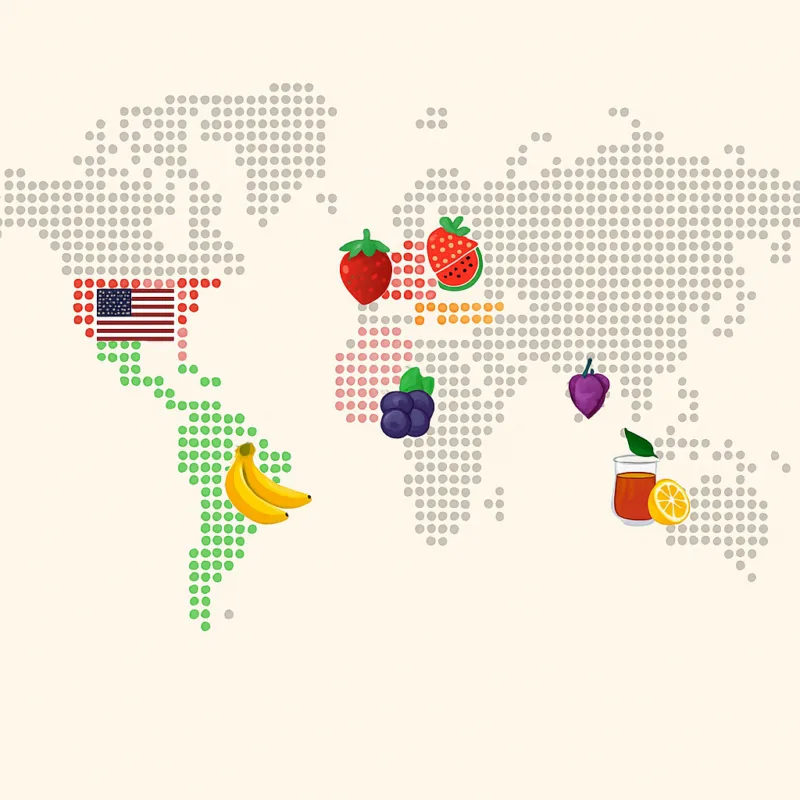
Hookah Flavor Preferences by Country: A Global Flavor Map
Hookah culture has developed in different ways around the world, and each country has its own unique flavor preferences have emerged. Geographic location, climate, cultural history, and local flavors, by country hookah flavor directly influences their choices. In this comprehensive analysis, we will take a detailed look at hookah cultures and preferred flavors from around the world.
The Culture of Hookah Flavors, It is not just a matter of taste, but also a part of social life, traditions, and self-expression. From the Arab world to Europe, and from Asia to the Americas, every region has its own unique hookah tradition and flavor profile.
Modern Global Hookah Trends The convergence of local traditions gives rise to new hybrid flavors and an intercultural exchange of tastes. A flavor that is popular in one country becomes a trend in other countries as well, thanks to social media and globalization.
In this article, we will take a detailed look at the hookah flavor preferences, cultural backgrounds, and the factors shaping these preferences in more than 40 countries. We will also examine predictions for future trends and how the exchange of flavors across cultures is likely to evolve.
The Middle East: The Heart of Hookah Culture
Turkey: A Blend of Tradition and Modernity
Turkish hookah flavor Their preferences are shaped by the country’s geographic location and cultural richness. As a bridge between Asia and Europe, Turkey offers a market open to both traditional and modern flavors.
Most Popular Flavors:
- Apple – %28 market share
- Assorted Fruit (Mix Fruit) – %22 market share
- Grape – %18 market share
- Mint-Lemon – %15 market share
- Peach – %12 market share
Regional Differences:
- Istanbul: More cosmopolitan, open to trying new flavors
- Ankara: Classic flavors are preferred
- Izmir: Fresh and invigorating scents are popular
- Antalya: Tropical fruit flavors are in high demand
- Eastern Anatolia: Traditional tombeki and rich aromas
Seasonal Preferences:
- Summer: Refreshing aromas such as mint, lemon, cantaloupe, and watermelon
- Winter: Warming aromas such as apple, cinnamon, and cloves
- Spring: Floral aromas and light fruity blends
- Fall: Fall fruits such as grapes, peaches, and plums
Characteristics of Turkish Tobacco Culture:
- Virginia tobacco-based flavors are preferred
- Moderate nicotine levels
- Optimized for long-term use
- Light flavors suited to a social drinking culture
Lebanon: A Sophisticated Palette of Aromas
Lebanese Hookah Culture, It reflects the rich culinary heritage of the Mediterranean. The country’s cosmopolitan nature supports a variety of flavor preferences.
Characteristic Aromas:
- Rose – Traditional and romantic
- Jasmine – Floral and elegant
- Mint-Lemon – A Refreshing Classic
- Fig (Fig) – Local fruit flavor
- Cedar – Woody aroma
Lebanese Special Blends:
- Beirut Mix: Rose + Jasmine + Mint
- Lebanese Delight: Figs + Honey + Cinnamon
- Cedar Valley: Cedar + Apple + Vanilla
- Mediterranean Breeze: Lemon + Sea Salt + Mint
Social Drinking Culture:
- In the evening, we have a family gathering
- Special Scents for Entertaining Guests
- Floral scents for romantic dates
- Neutral scents for business meetings
Egypt: A Modern Take on Ancient Flavors
Egyptian hookah flavor Their selections bring the culinary heritage of ancient civilization to the modern world. The fertile soils of the Nile Delta support a rich variety of flavors.
Popular Fragrance Categories:
- Date – %25 market share
- Hibiscus – %20 market share
- Mango – %18 market share
- Guava – %15 market share
- Lotus – %12 market share
Special Flavors from Egypt:
- Pharaoh’s Gold: Dates + Honey + Gold Leaf
- Nile Breeze: Hibiscus + Rose + Mint
- Desert Sunset: Mango + Peach + Vanilla
- Cleopatra's Secret: Lotus + Jasmine + Amber
Cultural Factors:
- The Spice Tradition of Ancient Egypt
- The Influence of Islamic Culture on Aromatic Preferences
- Aromas suited to the humid climate of the Nile River
- Cooling effects in a desert climate
Syria: Traditional Craftsmanship
Syrian hookah culture, It adapts centuries-old traditional craftsmanship to modern flavors. The flavors crafted in the historic hookah workshops of Damascus and Aleppo are acclaimed worldwide.
Traditional Syrian Flavors:
- Tombeki – Traditional strong tobacco
- Arabian Silver (Silver) – Classic Blend
- Damascus Rose – Local rose variety
- Aleppo Soap – Bay leaf aroma
- Baklava – Sweet spice blend
Modern Adaptations:
- Traditional flavors are produced using modern techniques
- Nicotine levels suitable for the international market
- Modern Packaging and Marketing
- Hybrid aromas (traditional + modern)
The Arabian Peninsula: Luxury and Traditional Aromas
Saudi Arabia: Prestigious Aroma Awards
Saudi Arabia hookah flavor Their preferences are shaped by the country's economic strength and conservative culture. Luxurious and high-quality fragrances are preferred.
Premium Fragrance Categories:
- Oud (Ud) – %30 Market share – Prestigious woody aroma
- Saffron (Safran) – %25 market share – Luxury spices
- Amber – %20 market share – Exotic resin aroma
- Cardamom (Hıl) – %15 Market Share – Traditional Spices
- Rose Water – %10 market share – Distilled rose water
Examples of Luxury Blends:
- Royal Blend: Oud + Saffron + Rose
- Desert King: Amber + Honey + Honey
- Golden Nights: Golden Leaf + Vanilla + Musk
- Arabian Dreams: Jasmine + Oud + Rose Water
Socioeconomic Factors:
- Higher income levels lead to a greater preference for high-quality aromas
- A prestige-driven consumer culture
- Luxurious scents for entertaining guests
- Premium blends for special occasions
United Arab Emirates: A Cosmopolitan Palette of Flavors
UAE hookah flavor Their preferences reflect the country's multicultural makeup. Traditional Arab flavors are enjoyed in combination with international cuisines.
Dubai Fragrance Trends:
- Luxury Blends – Aromas with gold flecks
- International Fusion – Cross-cultural blends
- Seasonal Specials – Seasonal Special Editions
- Endorsed by Celebrities – Celebrity-Endorsed Fragrances
- Limited Editions – Limited-edition collections
Abu Dhabi Preferences:
- More conservative and traditional
- Fragrances with a strong Arabic cultural influence
- Family-friendly, light scents
- Prestige-oriented premium brands
Sharjah and Other Emirates:
- Mid-range flavors
- Practical and for everyday use
- Cost-performance-driven choices
- The trend toward supporting local production
Qatar: The Culture of Boutique Aromas
Qatar hookah flavor The market is small but sophisticated. High-quality products and specially crafted flavors are preferred.
Qatar Special Aromas:
- Pearl Essence – With added pearl powder
- Desert Rose – Desert rose scent
- Falcon’s Flight – Powerful and distinctive
- Qatari Nights – Traditional blend
- World Cup Special – Sports-themed limited edition
North Africa: The Flavors of Berber Culture
Morocco: Hookah Flavors from the Spice Paradise
Moroccan Hookah Culture, It brings the country’s rich spice tradition to the world of hookah. The flavors, inspired by the historic souks of Marrakech and Fez, are popular worldwide.
Traditional Moroccan Scents:
- Mint Tea (Nane Çayı) – %35 market share
- Orange Blossom – %25 market share
- Cinnamon – %20 market share
- Argan – %12 market share
- Atlas Cedar – %8 market share
Berberi Blends:
- Marrakech Magic: Mint + Orange + Cinnamon
- Sahara Sunset: Argan + Honey + Rose
- Atlas Breeze: Cedar + Mint + Lemon
- Berber Gold: Saffron + Orange Blossom + Musk
Cultural Characteristics:
- How Tea Culture Is Reflected in Hookah Flavors
- The Contribution of the Spice Trade to Culinary Diversity
- Natural Fragrance Preferences in Barber Culture
- The Impact of Tourism on International Demand for Aromas
Tunisia: Aromas with a Mediterranean Flair
Tunisian hookah flavor These preferences reflect the Mediterranean climate and cultural diversity. Light and refreshing aromas take center stage.
Popular Tunisian Flavors:
- Jasmine from Tunis – A local variety of jasmine
- Mediterranean Mint – Mediterranean mint
- Olive Blossom – Olive blossom
- Sea Breeze – Sea breeze
- Carthage Blend – Historical Blend
Regional Characteristics:
- European-inspired aromas in the northern regions
- Strong, African-inspired aromas in the southern regions
- Seaside-themed scents in coastal cities
- Spice-heavy blends in inland regions
Europe: The Rise of Modern Hookah Culture
Germany: Technical Excellence and Diversity
German hookah flavor The market is one of Europe’s largest and most diverse. The demands of the Turkish immigrant population and local German consumers have given rise to a unique culinary culture.
Aroma Distribution in the German Market:
- Classic Apple – %22 market share
- Mixed Berries (Assorted Berries) – %18 market share
- Mint-Chocolate – %16 market share
- Tropical Mix – %14 market share
- Vanilla-Caramel – %12 market share
City-Based Preferences:
- Berlin: Cosmopolitan blends, experimental flavors
- Hamburg: Marine-themed, refreshing scents
- Munich: Traditional Bavarian influences, malty aromas
- Cologne: Traditional aromas inspired by Turkish culture
- Frankfurt: Business-oriented, practical scents
German Quality Standards:
- Strict quality controls
- Preference for organic and natural flavors
- Environmentally friendly packaging
- Detailed content tagging
- Compliance with health standards
Turkish-German Hybrid Culture:
- Traditional Turkish flavors + German commitment to quality
- Creative blends, such as the aroma of döner kebab
- Oktoberfest Special Flavors
- Christmas-themed seasonal blends
France: The Reflection of Gastronomic Culture in the Hookah
French hookah flavor Their preferences are influenced by the country’s world-renowned culinary culture. Sophisticated and refined flavor profiles are preferred.
French Flavor Categories:
- Wine-Inspired – %25 market share
- Pastry Flavors (Pasta Aromas) – %20 market share
- Provence Herbs (Provence Herbs) – %18 market share
- Champagne Bubbles – %15 market share
- French Vanilla – %12 market share
Regional Characteristics:
- Paris: Luxury and boutique fragrances
- Lyon: Gastronomy-Influenced Complex Profiles
- Marseille: Fresh, Mediterranean-inspired aromas
- Bordeaux: Wine-inspired aromas
- Nice: Floral and light aromas
The Art of the French Hookah:
- A Scientific Approach to Developing Aroma Profiles
- Wine-tasting techniques are being adapted to hookah flavors
- Collaborations with Michelin-starred chefs
- Premium blends inspired by haute cuisine
England: A Multicultural Mosaic of Flavors
British hookah flavor The market reflects the country's multicultural character. Indian, Arab, Turkish, and local British flavors are enjoyed in a blend of styles.
Features of the British Market:
- Earl Grey – The influence of tea culture – 20% market share
- Fish & Chips – Creative local flavor – 15% market share
- Indian Spices – Influence of Indian culture – 18% market share
- Arabic Blends – Impact of Arab immigrants – 22% market share
- British Berries – Local fruits – 15% market share
City-Based Cultures:
- London: The widest variety of flavor options
- Birmingham: Strong influence of Indian culture
- Manchester: Industrial City, Practical Scents
- Edinburgh: Aromas inspired by Scottish culture
- Cardiff: Welsh culture and distinctive local flavors
Asia-Pacific: A World of Exotic Flavors
India: Hookah Flavors from the Kingdom of Spices
Indian hookah flavor Its culture draws on one of the world’s richest spice heritages. The Ayurvedic tradition and local flavors come together to create unique flavor profiles.
Traditional Indian Scents:
- Cardamom (Hıl) – %28 market share
- Saffron (Safran) – %22 market share
- Rose Petals – %18 market share
- Mango Lassi – %15 market share
- Masala Chai – %12 market share
Regional Diversity:
- Northern India: Strong spice blends
- South India: Coconuts and tropical fruits
- Western India: Seafood and fresh herbs
- East India: Sweet and light aromas
Ayurvedic Aromas:
- Dosha-Balancing Blends: Fragrances Based on Body Type
- Meditation Mixes: Special blends for meditation
- Healing Herbs: Healing plant aromas
- Chakra Aligned: Chakra-Based Aromatherapy
Modern Indian Trends:
- Bollywood-themed scents
- Special blends for cricket matches
- Special productions for festival seasons
- Special scents for yoga studios
China: Ancient Wisdom with Modern Scents
Chinese hookah flavor The market is growing rapidly. Traditional Chinese medicine and culinary culture are reflected in modern hookah flavors.
Special Chinese Aromas:
- Green Tea – %30 market share
- Lychee (Liçi) – %25 market share
- Dragon Fruit – %20 market share
- Jasmine Tea – %15 market share
- Five Spice – %10 market share
The Influence of Traditional Chinese Medicine:
- Yin-Yang Balance: Balance-focused blends
- Qi Enhancement: Energy-boosting scents
- Seasonal Harmony: Seasonal Balance Fragrances
- Organ Support: Herbal remedies that support organ function
City-Based Preferences:
- Beijing: Traditional and prestigious fragrances
- Shanghai: Modern and international blends
- Guangzhou: Cantonese cuisine: rich flavors
- Shenzhen: Technology-driven, innovative fragrances
Japan: Minimalist Aesthetics and Refined Flavors
Japanese hookah flavor The culture reflects the country's minimalist aesthetic sensibility. Simple yet complex flavor profiles are preferred.
The Japanese Philosophy of Aromatherapy:
- Sakura (Cherry Blossom) – %35 market share
- Matcha (Green Tea Powder) – %25 market share
- Yuzu (Japanese Lemon) – %20 market share
- Bamboo – %12 market share
- Zen Garden – %8 market share
Seasonal Japanese Scents:
- Spring: Sakura and floral scents
- Summer: Yuzu and Refreshing Blends
- Fall: Momiji (maple) and warm aromas
- Winter: Matcha and warming spice blends
The Japanese Approach to Quality:
- Production Focused on Excellence
- Minimal yet effective flavor profiles
- Preference for natural and organic materials
- Aesthetic packaging and presentation
The Americas: The New World’s Hookah Culture
United States: The "Melting Pot" Culture of Flavors
U.S. hookah flavor The market is one of the most diverse markets, reflecting the country's multicultural makeup. Each state has its own unique preferences.
Nationally Popular Flavors:
- Blue Mist – %22 market share
- Apple Pie – %18 market share
- Tropical Punch – %16 market share
- Mint Chocolate Chip – %14 market share
- Strawberry Cheesecake – %12 market share
State-Based Preferences:
- California: Organic and healthy flavors
- Texas: Güçlü ve karakteristik aromalar
- Florida: Tropik ve ferah karışımlar
- New York: Kozmopolit ve premium aromalar
- Colorado: Doğa temalı ve macera aromaları
Amerikan Yaratıcılığı:
- Dessert Inspired: Tatlı esinlenmeli aromalar
- Cocktail Flavors: Kokteyl aromaları
- Seasonal Specials: Mevsimlik özel üretimler
- Regional Specialties: Bölgesel özellikler
Üniversite Kampüsleri:
- Genç nüfus odaklı tatlı aromalar
- Energy drink esinlenmeli karışımlar
- Party temalı grup aromaları
- Budget-friendly seçenekler
Kanada: Doğal ve Organik Eğilimler
Kanada nargile aroması tercihleri, ülkenin doğa sevgisi ve çevre bilincini yansıtıyor. Organik ve doğal aromalar ön plana çıkıyor.
Kanada Özel Aromaları:
- Maple Syrup – %30 market share
- Wild Berries – %25 market share
- Pine Forest – %20 market share
- Ice Wine – %15 market share
- Northern Lights – %10 market share
Regional Characteristics:
- Quebec: Fransız kültürü etkili sofistike aromalar
- Ontario: Çeşitli ve kozmopolit seçenekler
- British Columbia: Doğa temalı ve organik aromalar
- Alberta: Güçlü ve karakteristik karışımlar
Brezilya: Tropik Cennet Aromaları
Brezilya nargile aroması kültürü, ülkenin tropik iklimi ve renkli kültürünü yansıtıyor. Egzotik meyveler ve canlı aromalar tercih ediliyor.
Brezilyalı Aromalar:
- Açaí – %28 market share
- Passion Fruit (Çarkıfelek) – %22 market share
- Coconut Water – %18 market share
- Guaraná – %16 market share
- Caipirinha – %12 market share
Karnaval Özel Karışımları:
- Rio Nights: Açaí + Hindistan Cevizi + Lime
- Samba Rhythm: Passion Fruit + Mango + Nane
- Beach Paradise: Coconut + Ananas + Vanilya
- Carnival Colors: Karışık tropik meyveler
Okyanusya: Adalar Arası Aroma Kültürü
Avustralya: Outback’ten Sahile Aromalar
Avustralya nargile aroması tercihleri, ülkenin çeşitli iklim bölgeleri ve çok kültürlü nüfusunu yansıtıyor.
Avustralya Özel Aromaları:
- Eucalyptus – %25 market share
- Kangaroo Island Honey – %20 market share
- Tropical Mango – %18 market share
- Outback Spice – %15 market share
- Sydney Harbor – %12 market share
City-Based Preferences:
- Sydney: Kozmopolit ve çeşitli aromalar
- Melbourne: Sanat ve kültür etkili yaratıcı karışımlar
- Brisbane: Tropik ve ferah aromalar
- Perth: Akdeniz iklimi etkili aromalar
- Adelaide: Şarap bölgesi etkili sofistike aromalar
Gelecek Trendleri ve Kültürlerarası Alışveriş
Küreselleşmenin Aroma Tercihlerine Etkisi
Global nargile trendleri, yerel kültürlerle harmanlı şekilde yeni hibrit aromalar yaratıyor. Sosyal medya ve seyahat, farklı kültürlerin aroma alışverişini hızlandırıyor.
Emerging Trends:
- Fusion Flavors: Cross-cultural blends
- Health-Conscious: Sağlık odaklı aromalar
- Sustainable: Sürdürülebilir üretim aromalar
- Personalized: Kişiselleştirilmiş aroma profilleri
- Tech-Enhanced: Teknoloji destekli aroma deneyimleri
Kültürel Hibridizasyon:
- Japon-Türk karışımları (Sakura-Apple)
- Arap-Amerikan füzyonları (Oud-Vanilla)
- Hint-Alman kombinasyonları (Cardamom-Chocolate)
- Latin-Asya karışımları (Açaí-Green Tea)
Teknolojinin Aroma Tercihlerine Etkisi
AI ve Big Data: Kişisel tercih analizi ile özelleştirilmiş aroma önerileri
AR/VR Teknolojileri: Sanal aroma deneyimleri ve dijital tatma seansları IoT Entegrasyonu: Akıllı nargile sistemleri ile otomatik aroma dozajı Blockchain: Aroma orijinalliği ve kalite sertifikasyonu
Sustainability and Environmental Awareness
Organik Aroma Trendleri:
- Pestisitsiz tütün üretimi
- Doğal aroma ekstraktları
- Environmentally friendly packaging
- Karbon ayak izi azaltma
Yerel Üretim Destekleme:
- Farm-to-hookah konsepti
- Bölgesel aroma kooperatifleri
- Küçük üretici destekleme
- Geleneksel yöntem koruma
Aroma Tercihlerini Etkileyen Sosyo-Ekonomik Faktörler
Gelir Seviyesi ve Aroma Kalitesi
Lüks Segment (Yüksek Gelir):
- Premium malzeme kullanımı
- Sınırlı üretim aromalar
- Özel karışım hizmetleri
- Butik marka tercihleri
Orta Segment:
- Kalite-fiyat dengesi
- Popüler marka tercihleri
- Mevsimsel promosyonlar
- Çeşitlilik arayışı
Ekonomik Segment:
- Fiyat odaklı seçimler
- Temel aroma çeşitleri
- Büyük paket tercihleri
- Yerel üretim destekleme
Yaş Grupları ve Aroma Tercihleri
18-25 Yaş (Gen Z):
- Sosyal medya etkili seçimler
- Yenilikçi ve deneysel aromalar
- Tatlı ve meyve ağırlıklı
- Görsel sunum önemli
26-35 Yaş (Milenyum):
- Kalite-fiyat dengesi
- Çeşitlilik arayışı
- Sağlık bilinci artışı
- Premium segment ilgisi
36-50 Yaş (Gen X):
- Geleneksel aromalar
- Kalite odaklı tercihler
- Marka sadakati
- Prestij faktörü
50+ Yaş (Baby Boomers):
- Klasik ve tanıdık aromalar
- Sağlık endişeleri
- Geleneksel markalar
- Sosyal içim kültürü
Cinsiyet Bazlı Aroma Tercihleri
Kadın Tüketiciler:
- Çiçeksi ve tatlı aromalar
- Hafif ve zarif profiller
- Estetik ambalajlama
- Sosyal paylaşım odaklı
Erkek Tüketiciler:
- Güçlü ve karakteristik aromalar
- Geleneksel ve klasik seçimler
- Performans odaklı
- Grup içimi uygun
Unisex Trendler:
- Cinsiyet nötr aromalar
- Paylaşım odaklı karışımlar
- Çeşitlilik ve esneklik
- Kapsayıcı pazarlama
Sağlık Bilinci ve Aroma Seçimleri
Nikotin-Free Alternatifler
Herbal Karışımlar:
- Bitki bazlı aromalar
- Nikotin içermeyen seçenekler
- Aromaterapi etkili karışımlar
- Doğal malzeme kullanımı
CBD İçerikli Aromalar:
- Rahatlatıcı etkili
- Tıbbi cannabis türevleri
- Yasal düzenlemelere uygun
- Terapi odaklı kullanım
Vitamin Katkılı Aromalar:
- Sağlık destekleyici katkılar
- Antioksidan zengin karışımlar
- İmmün sistem destekleyici
- Fonksiyonel nargile deneyimi
Organik ve Doğal Eğilimler
Sertifikalı Organik:
- Organik sertifikalı tütün
- Doğal aroma ekstraktları
- Kimyasal katkısız üretim
- Çevre dostu işlemler
Gluten-Free Seçenekler:
- Çölyak hastaları için
- Gluten içermeyen bağlayıcılar
- Özel üretim süreçleri
- Sertifikalı ürünler
Dijital Çağda Aroma Keşfi
Sosyal Medya ve Aroma Trendleri
Instagram Etkisi:
- Görsel çekici aromalar
- Influencer önerileri
- Hashtag trendleri
- Story paylaşımları
TikTok Viral Aromalar:
- Kısa video içerikleri
- Challenge’lar ve trendler
- Genç kitle etkisi
- Hızlı yayılım
YouTube İncelemeler:
- Detaylı aroma analizleri
- Karşılaştırmalı testler
- Uzman görüşleri
- Eğitici içerikler
E-Ticaret ve Aroma Alışverişi
Online Platform Trendleri:
- Kişiselleştirilmiş öneriler
- Kullanıcı yorumları
- Sanal tadım deneyimleri
- Abonelik modelleri
Mobil Uygulamalar:
- Aroma tanıma teknolojileri
- QR kod ile bilgi erişimi
- Sosyal paylaşım özellikleri
- Gamification elementleri
Kültürel Festivaller ve Özel Günler
Dini ve Kültürel Etkinlikler
Ramazan Özel Aromaları:
- İftar sonrası hafif aromalar
- Sahur öncesi ferahlatıcı
- Geleneksel İslami aromalar
- Paylaşım odaklı büyük paketler
Noel ve Yılbaşı:
- Tarçın ve karanfil karışımları
- Kış temalı aromalar
- Hediye paketleri
- Aile toplantısı uygun
Diwali ve Hindu Festivalleri:
- Gül ve safran karışımları
- Kutsal bitki aromaları
- Renkli ve canlı paketleme
- Bereket temalı karışımlar
Ulusal Günler ve Özel Etkinlikler
Bağımsızlık Günleri:
- Ulusal renklerde paketleme
- Yerel aroma vurgusu
- Vatanseverlik temalı
- Özel sınırlı üretimler
Spor Etkinlikleri:
- Dünya Kupası özel aromalar
- Olimpiyat temalı karışımlar
- Takım renkleri paketleme
- Stadyum atmosferi aromaları
Gelecek 10 Yılın Aroma Tahminleri
Teknolojik Gelişmeler
2025-2027:
- AI destekli kişisel aroma profilleri
- Akıllı nargile sistemleri yaygınlaşması
- Sanal gerçeklik aroma deneyimleri
- Blockchain tabanlı kalite sertifikasyonu
2028-2030:
- Biyoteknoloji ile üretilen aromalar
- Nano-teknoloji katkılı karışımlar
- Çevre duyarlı üretim süreçleri
- Kişiselleştirilmiş sağlık odaklı aromalar
2031-2035:
- Laboratuvar ortamında üretilen tütün
- Moleküler gastronomi etkili aromalar
- Sürdürülebilirlik odaklı tam döngü
- Global standartlaşma ve düzenlemeler
Kültürel Evrim
Hibridizasyon Artışı:
- Kültürlerarası karışımlar normalleşecek
- Yerel-global denge kurulacak
- Yeni hibrit kültürler doğacak
- Geleneksel-modern harmoni artacak
Sağlık Odaklı Dönüşüm:
- Fonksiyonel aromalar yaygınlaşacak
- Terapi odaklı kullanım artacak
- Tıbbi nargile uygulamaları gelişecek
- Wellness endüstrisi entegrasyonu
Sonuç: Küresel Aroma Kültürünün Geleceği
Ülkelere göre nargile aroma tercihleri, sadece lezzet seçimi değil, kültürel kimlik, sosyal yapı ve teknolojik gelişmelerin bir yansımasıdır. Her ülkenin kendine özgü aroma kültürü, küreselleşme ile birlikte yeni hibrit formlar yaratıyor.
Gelecekte, yerel gelenekler ile global trendlerin harmanlı şekilde gelişeceği, teknolojinin kişiselleştirme imkanları sunacağı ve sağlık bilincinin aroma seçimlerini şekillendireceği bir dönem bekleniyor.
The Culture of Hookah Flavors, insan toplumlarının lezzet arayışı, sosyal bağ kurma ihtiyacı ve kültürel ifade arzusunun benzersiz bir birleşimi olarak gelişmeye devam edecek. Bu çeşitlilik, dünya nargile kültürünün en zengin yanlarından biri olmaya devam edecek.
Farklı kültürlerden öğrenmek, yeni lezzetleri keşfetmek ve kendi aroma tercihlerimizi geliştirmek, modern nargile deneyiminin ayrılmaz bir parçası haline gelmiştir. Bu kültürel alışveriş, dünya barışına ve karşılıklı anlayışa da katkıda bulunuyor.
Write a reply